A commitment to my own family
My name is Elvira Villasmil. Not long ago, my life changed completely. A call from the heart and an urgent family situation brought me back to my hometown, Maracaibo, Venezuela.
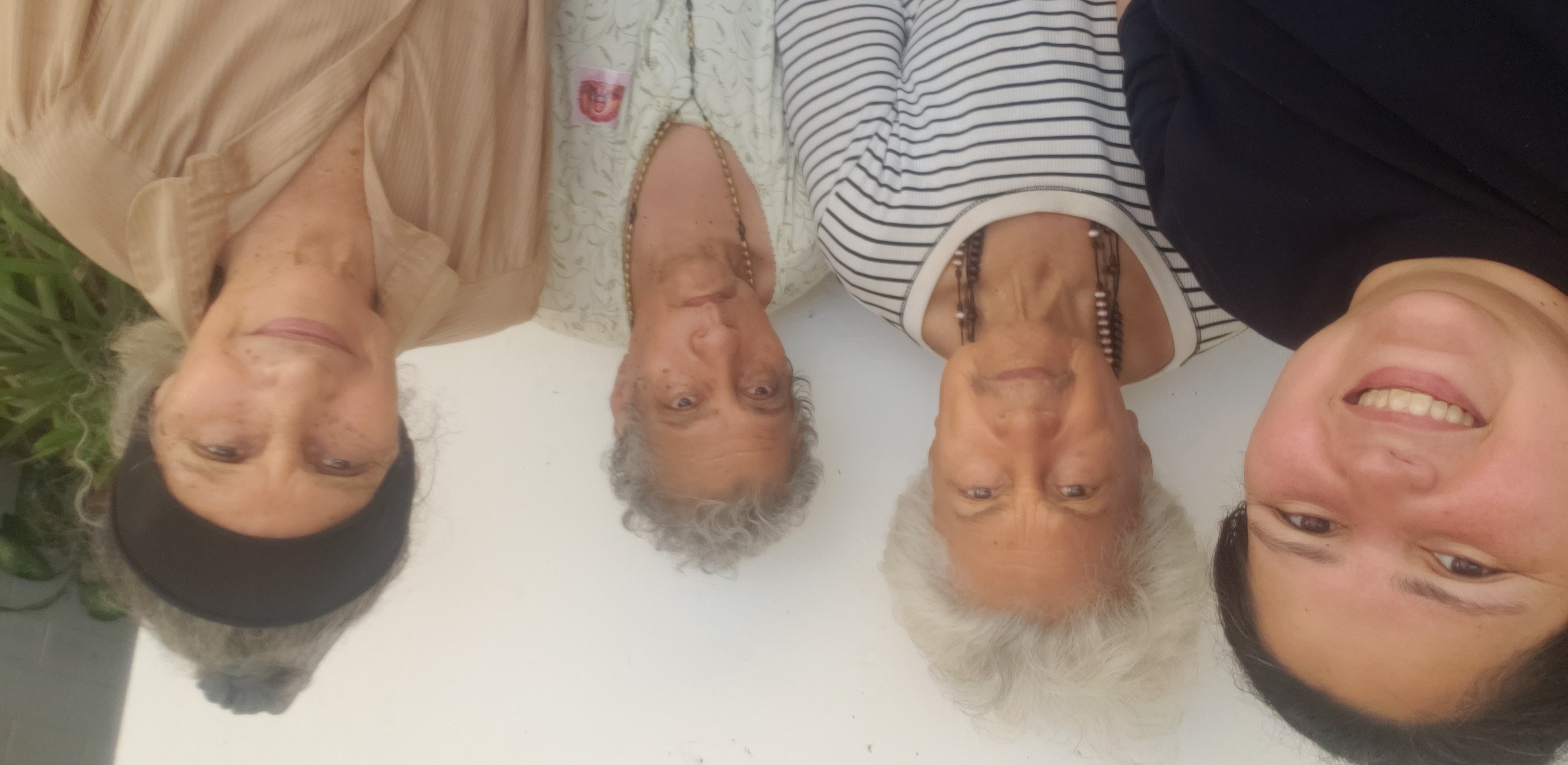
Today I come to you with an open heart and a responsibility that is greater than I can carry alone, yet one I embrace with all the love in the world. I am currently responsible for the full-time care of the three most important women in my life: my 76-year-old mother and my two aunts, ages 74 and 63.
What I found when I arrived is what I now call, with a mixture of exhaustion and tenderness, my “little madhouse” of love. It is not a casual title. It describes a reality in which dementia, intellectual disability, and hardship coexist under one roof—and where I am the only wall preventing these three lives from falling into complete crisis.
The three women at the heart of this rescue
In my aunts’ home, they are facing the winter of their lives:
My aunt, age 63 — The eternal child
She has an intellectual disability and presents the greatest emotional challenge in our daily life. Her behavior is that of a small child in an aging body. She has emotional outbursts, cries inconsolably, and needs constant attention. Her legs have weakened to the point that she walks slowly while holding onto the walls of the house. She also experiences incontinence, requiring ongoing hygiene support and adult diapers at night.
My aunt, age 74 — The brilliant attorney
A woman of law, culture, and independence throughout her life, she has gradually lost her autonomy to dementia. She tried to care for her younger sister, my 63-year-old aunt, and was once the foundation of their household. But the loss of short-term memory led to poor nutrition and made it impossible for her to manage money, resources, or cook safely. She often looks at me and treats me as though I were a stranger.
My mother, age 76 — My companion on the journey home
She traveled back with me. My mother lives with persistent confusion about where she is, and many times her mind seems to inhabit a time and place that no longer exist. Her situation is especially delicate because she has seizures, including episodes while she sleeps, which keep us constantly alert. She still needs an EEG and an MRI that her neurologist urgently ordered on April 30, but we have not yet been able to afford them.
Caring for them means being present 24 hours a day. I cannot leave them alone because they may consume all the food at once, cook and leave the gas on, or wander away from the house. It has become increasingly difficult to store things safely because they may eat them, move them, or hide them. I have had to put my working life on hold and become a full-time cook and caregiver.
How did we reach this point? For years, my family maintained a fragile balance in which they supported one another. But as dementia progressed in my aunt who had been an attorney, that circle broke. She began failing to recognize her own sister and lost the ability to care for her. Faced with this crisis, I decided to return and take responsibility for them. What was once a small support system now depends entirely on my hands.
Although they receive small pensions, the burden is immense, and the rest of the family has turned away while we face an ocean of needs. I cannot cover even a fraction of the basic costs of food and hygiene in a country where daily life has become extremely expensive.
In the midst of everything, my only respite is San Tarcisio Church. Each afternoon, I seek a moment of silence and prayer to place this situation and our family life in God’s hands.
Thank you for reading our story and for any support you may be able to offer during this difficult time.